Drug addiction is a major public health and social issue. According to a report by the United Nations Office on Drugs and Crime, more than 296 million people worldwide used drugs in 2021, a 23% increase compared to a decade earlier. In China, drug-related economic losses amount to as high as 200 billion RMB annually. Addiction susceptibility is influenced by genetic, biological, psychological, and social environmental factors, exhibiting significant individual differences. Therefore, elucidating the mechanisms of addiction susceptibility is of great significance for developing anti-addiction strategies. Previous studies in humans and other primates have shown that social hierarchy is an important factor affecting addiction susceptibility, yet the specific neural mechanisms remain unclear.
On May 12, Associate Professor Xu Wei from the School of Life and Health Sciences at Shenzhen University of Advanced Technology, in collaboration with the team led by researcher Zhu Yingjie from Shenzhen Institute of Advanced Technology, Chinese Academy of Sciences, published their latest findings in Nature Neuroscience, revealing how social hierarchy reshapes the mesocorticolimbic dopamine system to modulate addiction susceptibility. This study provides a new theoretical framework for understanding the neural mechanisms and social factors underlying drug addiction susceptibility, while offering important references for behavioral intervention strategies in addiction treatment.
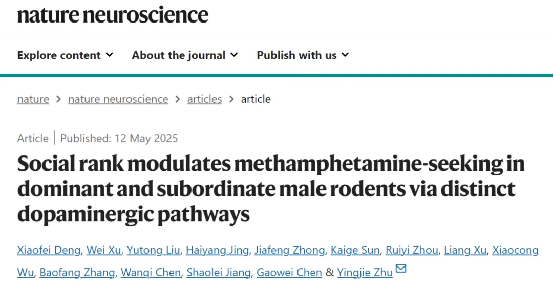
Figure 1. Screenshot of the published article
Researchers first used the “tube test” to establish social hierarchy among mice, then conducted methamphetamine self-administration experiments to observe the impact of social rank on addictive behavior. Results showed that subordinate (low-ranking) mice were more likely to establish methamphetamine self-administration behavior than dominant (high-ranking) mice, indicating greater susceptibility to addiction.
To uncover the neural mechanisms behind this phenomenon, the researchers employed neurobiology, pharmacology, molecular biology, optogenetics, and other techniques, revealing that social hierarchy modulates addiction susceptibility by reshaping the mesocorticolimbic dopamine system. In subordinate mice, the mesolimbic dopamine system exhibited stronger function, with enhanced dopamine synthesis and reuptake-related protein activity and greater dopamine release, making them more responsive to drugs. In contrast, dominant mice showed stronger mesocortical dopamine system function, with more cortical dopamine terminal fibers and greater dopamine release, thereby enhancing resistance to drugs.
Interestingly, when social hierarchy was reversed through behavioral interventions, the function and terminal fiber density of the mesocorticolimbic dopamine system changed accordingly, and drug-seeking behavior was reversed. Researcher Zhu Yingjie from Shenzhen Institute of Advanced Technology is the corresponding author. Assistant researcher Deng Xiaofei from Shenzhen Institute of Advanced Technology, Chinese Academy of Sciences, Associate Professor Xu Wei from Shenzhen University of Advanced Technology, and assistant researcher Liu Yutong from Shenzhen Institutes of Advanced Technology (SIAT), Chinese Academy of Sciences are co-first authors.(Paper link: https://doi.org/10.1038/s41593-025-01951-0)
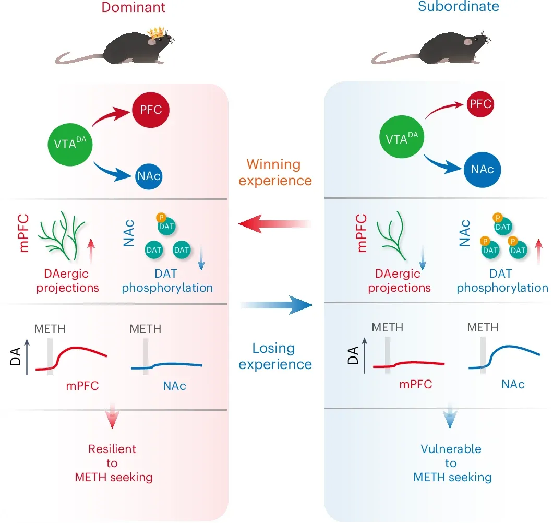
Figure 2. Social hierarchy modulates methamphetamine-seeking behavior by reshaping the function of the mesocorticolimbic dopamine system

Profile

Xu Wei
Associate Professor at Shenzhen University of Advanced Technology, Pengcheng Distinguished Talent, and expert reviewer for drugs and medical devices at Shenzhen Administration for Market Regulation. Research focuses on molecular mechanisms and intervention strategies for neuropsychiatric disorders, particularly the molecular mechanisms of Alzheimer’s disease and drug addiction induced by exogenous compounds. Employs cutting-edge techniques such as metabolomics, single-cell sequencing, two-photon calcium imaging, and the Cre-LoxP system to investigate the precise neurobiological mechanisms of drug addiction, the pathogenesis of Alzheimer’s disease, and to develop novel therapeutic strategies.The lab currently has openings for research assistant professors, postdoctoral fellows, etc.
Interested candidates are welcome to contact: wei.xu@suat-sz.edu.cn
 CN
CN